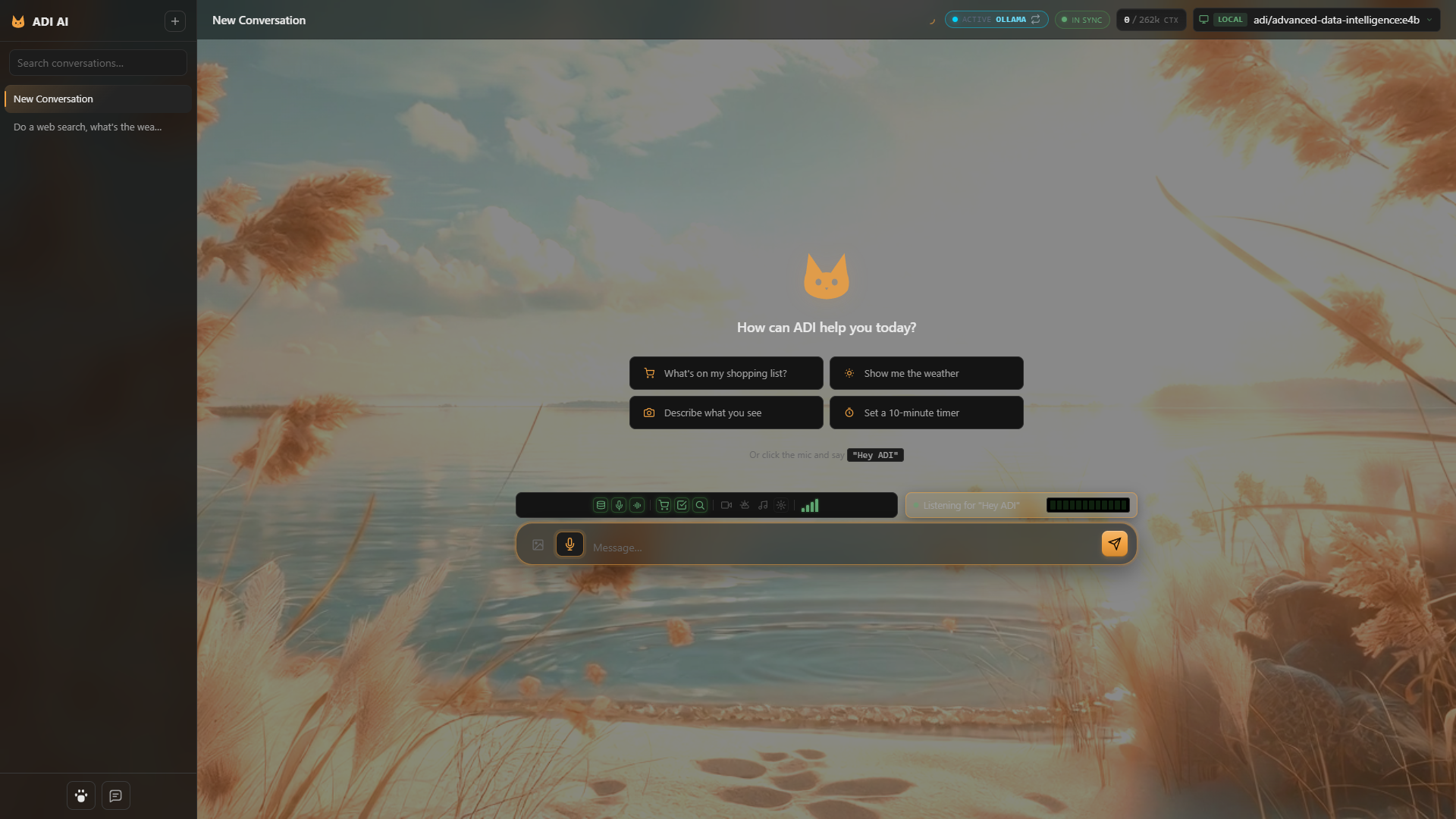
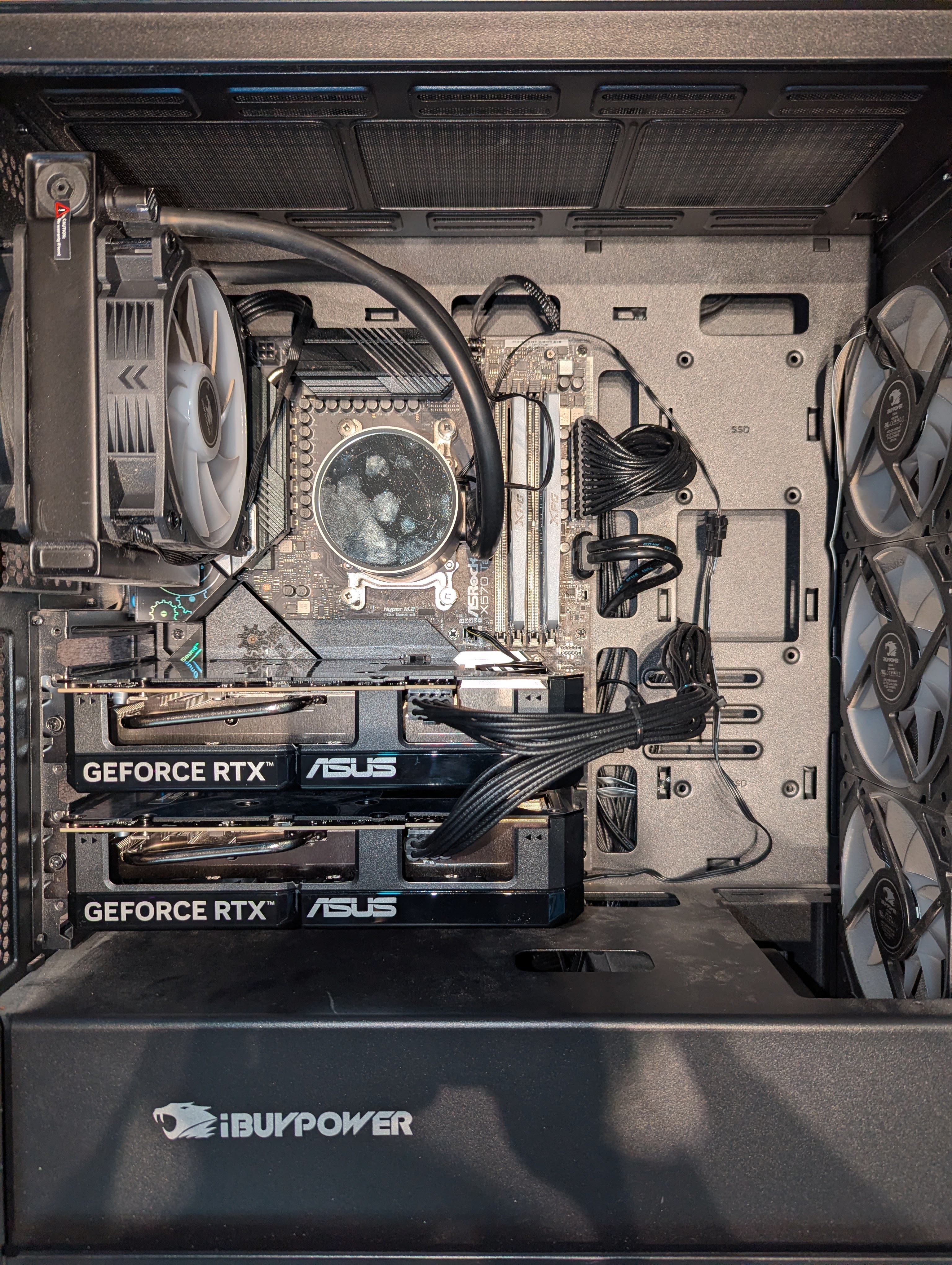
ADI Code
A self-hosted, browser-based coding agent built on OpenCode. From one chat surface on the tailnet, ADI Code SSHes into any machine in the home lab and spawns AI agents — and subagents beneath them — to plan, write, and ship code in parallel across the fleet.
One agent, one machine, one thread
A single coding agent runs where you launched it and works one task at a time. But real work in a home lab is spread across boxes — a GPU node here, a database host there, a web server somewhere else — and often needs several things done at once. Copy-pasting an agent between terminals doesn't scale, and neither does babysitting one long-running thread. The fix is an agent that can reach every machine and delegate.
A control surface for a fleet of agents
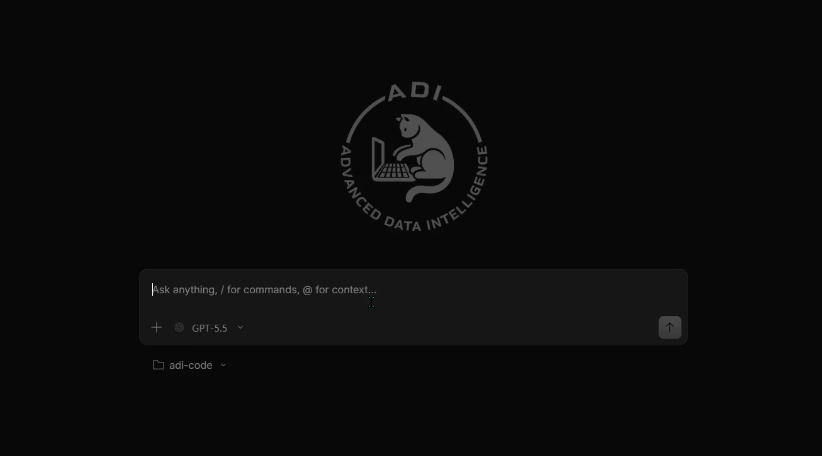
ADI Code wraps OpenCode's editor-grade chat in an ADI-branded webapp: / for commands, @ to pull in files and context, and a model picker that spans local fleet LLMs and cloud models like GPT-5.5. The difference is orchestration — a prompt can fan out into a lead agent that spawns subagents, each landing on a different SSH host, working its slice, and reporting back.
@-context, streaming, and per-workspace folders — rebranded as ADI Code and served in the browser.status, streams output, and can stop or resume them.Prompt → lead agent → subagents on the fleet
You describe the work once. ADI Code plans it and calls its MCP server to launch a lead agent; that agent, through the same MCP tools, delegates to subagents deployed across whatever machines the job touches — all reachable over the tailnet, all reporting back to the same surface.
you › refactor the API on genesis and update the docs on nexus
lead-agent spawned · planning 2 subtasks
├─ subagent @ genesis refactor · running
└─ subagent @ nexus docs · running
# each runs in its own workspace over SSH, streams back, merges
Built from open parts
OpenCode for the agent + editor surface, an MCP server that orchestrates agents and subagents over SSH, and a model layer that reaches both local Ollama hosts and cloud providers — the whole thing private on the Tailscale network.